Introduction from Rosalind Hopkins, Director of Specialist Provision, Discovery Trust
One of the greatest strengths of our parent community is the wealth of lived experience, professional expertise and unwavering commitment that families bring to the conversation about inclusion. In this thoughtful article, Lisa Bramall and Laura Hall share a powerful vision for the future of education, one that moves beyond traditional divisions between mainstream and specialist provision and instead places belonging at the heart of every child’s experience.
Both Lisa and Laura bring unique perspectives as parents, advocates and professionals who have spent many years navigating educational, health and care systems alongside their own children. Their vision for Educational Campuses and Community Campuses challenges us to think differently about how we design learning environments, support families and build truly inclusive communities.
As someone who has dedicated my career to ensuring that every child can thrive, regardless of need or circumstance, I welcome contributions such as this. Whether or not we agree with every aspect of the vision, it encourages an important conversation about how we can create systems that are more connected, compassionate and responsive to the children and families we serve.
I hope you enjoy reading this article and that it inspires reflection, discussion and, most importantly, continued ambition for a future where every child belongs.
Rosalind Hopkins Director of Specialist Provision Discovery Trust
We need to rethink education from the ground up
Rather than separating children into different schools based on ability, disability, diagnosis, or support needs, we should create educational campuses where every child belongs, every family is welcomed, and every learner is valued.
At the heart of our vision is a simple belief: children should not have to leave their community, their siblings, or their friends in order to receive the support they need.
Too often, families like ours face an impossible choice. A child with significant additional needs may be sent to a specialist school miles away from home while their brothers and sisters attend a local mainstream school. Families are forced to manage different school communities, different schedules, and different experiences. Siblings can grow up separated by systems that were designed without considering the importance of family relationships.
We believe there is a better way.
The Educational Campus Model
Our vision is for educational campuses that bring together a range of learning environments on one site. These campuses would include mainstream provision, specialist provision, therapeutic support, sensory spaces, vocational opportunities, and community facilities, all working together as one educational community.
Children would access the support they need without being excluded from the life of their community.
A child with profound and multiple learning disabilities would belong on the same campus as their brother or sister studying for examinations. A young person with complex autism would be part of the same community as their neighbours and friends. Children could learn together when appropriate and access specialised support when needed.
The question would no longer be, “Which school should this child go to?”
Instead, it would be, “What support does this child need to flourish within their community?”
Inclusion Means Belonging
True inclusion is not about placing children in the same building and hoping for the best. It is about creating a culture where every child is recognised as a valued member of the community.
For too long, education systems have often treated difference as a problem to be managed. Children who do not fit neatly into existing structures are frequently moved elsewhere. Yet when we separate children because they learn differently, we lose opportunities for understanding, friendship, and mutual respect.
An educational campus would challenge this thinking.
Children would grow up learning that disability is part of human diversity. They would learn to communicate with people who communicate differently, to value different strengths, and to understand that every person has worth.
This benefits everyone. Inclusive communities do not just support disabled children; they help create compassionate, empathetic, and socially responsible citizens.
Learning Together, Growing Together
An educational campus is not about expecting every child to learn in exactly the same way or in the same environment. It is about creating opportunities for children to learn alongside one another, build relationships, and share experiences wherever appropriate.
Children might spend parts of their day in specialist settings tailored to their individual needs while also participating in wider campus life through assemblies, sports, arts programmes, clubs, performances, community projects, and social events.
A child who uses a wheelchair could be part of the same school production as their peers. A young person with complex communication needs could contribute to a campus council with the support of assistive technology. Children from different learning pathways could come together through music, gardening, enterprise projects, or community volunteering.
These shared experiences matter. They help children build friendships, develop understanding, and recognise the value that every person brings to a community.
For disabled children and young people, this means being seen, known, and included rather than isolated from their peers. For non-disabled children, it creates opportunities to develop empathy, respect, and confidence in interacting with people whose experiences may differ from their own.
Inclusion should not be something that happens occasionally through special events or planned activities. It should be woven into everyday life.
By learning together, children grow together. They develop the skills, attitudes, and relationships that help create a more inclusive society long after they leave education.
An educational campus would not simply prepare young people for examinations or employment. It would prepare them for life in a diverse and connected community.
A Place for Every Child
One of the greatest strengths of the campus model is that there is a place for every child.
Children with profound disabilities would have access to highly specialised support, therapies, communication systems, and adapted learning environments. At the same time, they would remain visible and valued members of the wider educational community.
Children would not need to prove they are “able enough” to belong.
Belonging would be their right.
Likewise, children who are academically gifted, neurodivergent, physically disabled, emotionally vulnerable, or facing social challenges would all have access to the support they need without being removed from their community.
The campus would adapt to the child, not the child to the system.
Education at the Heart of the Community
These campuses would be more than schools. They would become community hubs.
Families could access health services, family support, counselling, adult learning opportunities, sports facilities, arts programmes, and community events on the same site. Local businesses, charities, and community groups could work alongside educators to create meaningful opportunities for young people.
Education would become something that belongs to the whole community rather than something that happens behind school gates.
The campus would be a place where children, families, staff, and local residents build relationships, celebrate achievements, and support one another.
Supporting Families Beyond the School Day
Educational campuses could also provide inclusive wraparound care before and after the school day, alongside holiday programmes that are accessible to children with a wide range of needs.
For many families like ours, who have children with Special Educational Needs and Disabilities (SEND), finding suitable childcare, holiday provision, or respite support can be extremely difficult. Despite receiving funding from Local Authorities to support their child’s needs, many families struggle to use this funding effectively because of a shortage of Personal Assistants and specialist support workers.
Educational campuses could help address this gap by offering high-quality inclusive sessions during school holidays and outside normal school hours. Families could choose to use their existing funding arrangements, where appropriate, enabling children to access familiar environments, trusted staff, and activities designed around their individual needs.
This approach would provide greater flexibility for families while ensuring children continue to participate in their community. It would also offer much-needed support to parents and carers who often face significant barriers in accessing respite care.
By extending support beyond the classroom, educational campuses would become not only centres of learning but also centres of family wellbeing, helping to create stronger, more resilient communities.
What Needs to Change
Making this vision a reality requires courage and ambition.
We need governments willing to invest in inclusive infrastructure rather than maintaining systems that separate children. We need funding models that support flexibility and individualised provision. We need teacher training that prepares educators to teach diverse groups of learners. We need health, social care, and education services to work together rather than operating in isolation.
Most importantly, we need to stop asking whether inclusion is possible and start asking how we can make it happen.
The barriers are not created by children. They are created by systems.
And systems can be changed.
A Better Future
Our vision is not simply about buildings or organisational structures. It is about creating a society where every child is seen, valued, and included.
Educational campuses offer the opportunity to bring together what has too often been divided: mainstream and specialist provision, education and community, support and aspiration, families and schools.
They offer a future where siblings can learn within the same community, where no child is excluded because of their disability, and where difference is celebrated rather than accommodated as an afterthought.
This is not an impossible dream.
It is a practical, achievable vision for an education system built around belonging.
Because every child deserves more than an education.
Every child deserves a community.
Extending Belonging into Adulthood: The Community Campus
True inclusion should not end when a young person leaves education. If we are committed to creating communities where everyone belongs, we must also rethink the pathways available to people as they move into adulthood.
Alongside our Educational Campus vision, we envisage a Community Campus that extends the principles of inclusion, participation, and belonging beyond school and college years.
The Community Campus will be a vibrant, inclusive hub where people build practical skills, form meaningful relationships, contribute to their communities, and grow into confident, active citizens.
Moving beyond traditional service models, it will offer personalised programmes aligned with education, employment, and life goals. Individuals will gain independence, expand their social networks, strengthen workplace skills, and increase community participation through meaningful real-world experiences.
A structured five-day pathway, or the option to integrate two days per week alongside a learner’s final year of college education, will enable individuals to apply their learning in authentic settings, gain hands-on experience, develop practical and interpersonal skills, build confidence, form lasting friendships, and contribute through active citizenship. Through these opportunities, they will develop the knowledge, experience, and resilience needed to navigate adulthood, pursue meaningful opportunities, and achieve long-term success.
Our vision is for the Community Campus to be a place where everyone belongs, is valued, and is empowered to achieve their goals and reach their full potential. It will provide a lifelong pathway of learning, participation, and personal development, supporting individuals throughout adulthood and creating ongoing opportunities to learn, grow, contribute, build meaningful relationships, and achieve their aspirations.
As individuals’ goals, ambitions, and needs evolve, the Community Campus will adapt alongside them, offering flexible and responsive opportunities for engagement, development, and support for as long as they choose or require it.
In this way, the Educational Campus and Community Campus become part of a single, connected vision: a society where belonging does not end at the school gate, where support does not disappear at adulthood, and where every person is valued, included, and empowered to live a meaningful life within their community.
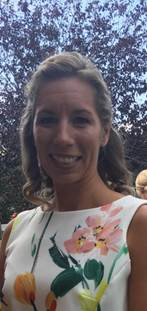
Lisa Bramall is a dedicated family support worker, parent governor, and passionate advocate for children and families, particularly those with special educational needs and disabilities (SEND).
Lisa is the proud mother of two daughters. Her eldest daughter, aged 16, attends mainstream education, while her youngest daughter, aged 13, has complex special educational and medical needs and attends a specialist school. These personal experiences have provided Lisa with a deep understanding of the challenges and opportunities faced by families navigating education, health, and social care systems.
Holding a degree in Law, Lisa began her career in the legal profession before choosing to focus on raising her children and supporting their individual needs. Drawing on both her professional background and lived experience, she now works as a Family Support Worker in a specialist school, where she helps children, young people, and their families access the guidance, services, and support they need.
In addition to her professional role, Lisa has served as a Parent Governor at a special school for the past seven years, contributing strategic oversight and championing the voices of pupils and families.
Lisa is deeply committed to advocacy, inclusion, and ensuring that every child, young person, and family receives the support, understanding, and opportunities they deserve. Her work is driven by a belief that collaboration, empowerment, and strong partnerships can help families achieve the best possible outcome.
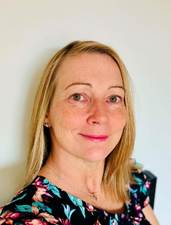
Laura Hall is a Parent Advocate for Discovery Trust and a Deafblind Multi-Sensory Impairment (MSI) Intervenor in a specialist school. She has extensive experience supporting children and young people with complex needs and is committed to promoting inclusion, communication, and meaningful participation for learners with sensory impairments and additional needs.
Laura also brings lived experience as the mother of three young adults aged 19 to 23. Two of her children are autistic, with different presentations and support needs, including Pathological Demand Avoidance (PDA), giving her insight into the diversity of the autism spectrum. They also have medical needs, including Chiari I malformation and epilepsy, which have deepened her understanding of navigating education, healthcare, and support systems.
Over the past 23 years, Laura and her family have experienced a wide range of educational placements, including mainstream education both with and without additional support, specialist provision, and periods where suitable provision was difficult to access. These experiences have given her a comprehensive understanding of the challenges families can face in securing appropriate education and support, as well as the importance of effective collaboration between families, schools, and professionals.
Her professional expertise and personal experience shape her advocacy work with families and her commitment to strengthening partnerships between parents, schools, and support services. Through her writing, she shares practical perspectives on SEND, sensory impairment, autism, PDA, family engagement, and inclusive practice, championing approaches that help children and young people reach their full potential.