
Inclusion is often discussed in terms of classroom strategies and curriculum design, but what if inclusion could happen in a competitive arena? At Discovery Schools Trust, we’ve discovered a powerful way to unite pupils from primary, secondary, and special schools: Esports.
This innovative programme has transformed how pupils interact, learn, and grow together. It’s not just about gaming, it’s about teamwork, communication, creativity, and confidence. And the results have been extraordinary.
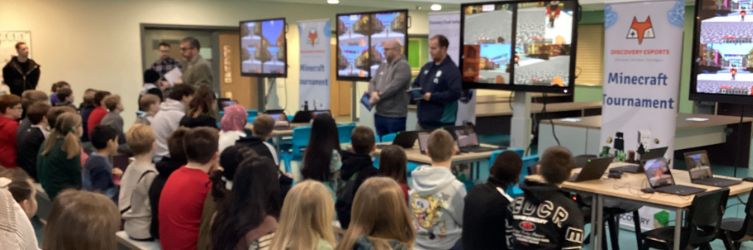

Why Esports Works for Inclusion
Traditional sports can sometimes create barriers for pupils with physical or learning differences. Esports, however, levels the playing field. Every pupil competes on equal terms, and often, special school players lead the way, demonstrating incredible skill and strategic thinking.
This shift has been profound. Pupils who might struggle in traditional settings are thriving in Esports competitions, showing their talents and earning respect from peers. It’s inclusion in action, authentic, meaningful, and exciting.
“Whilst I’m not always the best I show what I can do, people don’t see what I can’t do they are watching what I can do I trying to learn from me… because I’m a winner at Mario Kart”
— Gamer Tag: AeroFlare age 14 pupil at Ash Field Special school
“My child is not into traditional sports so its great to see them get involved in something like this.”
— Parent of Primary Child
What is Esports?
Esports stands for electronic sports—organised, competitive video gaming played in structured formats. Unlike casual gaming, Esports is team-based, strategic, and requires collaboration, much like traditional sports. Players don’t just “play a game”; they train, analyse, and work together to achieve victory.
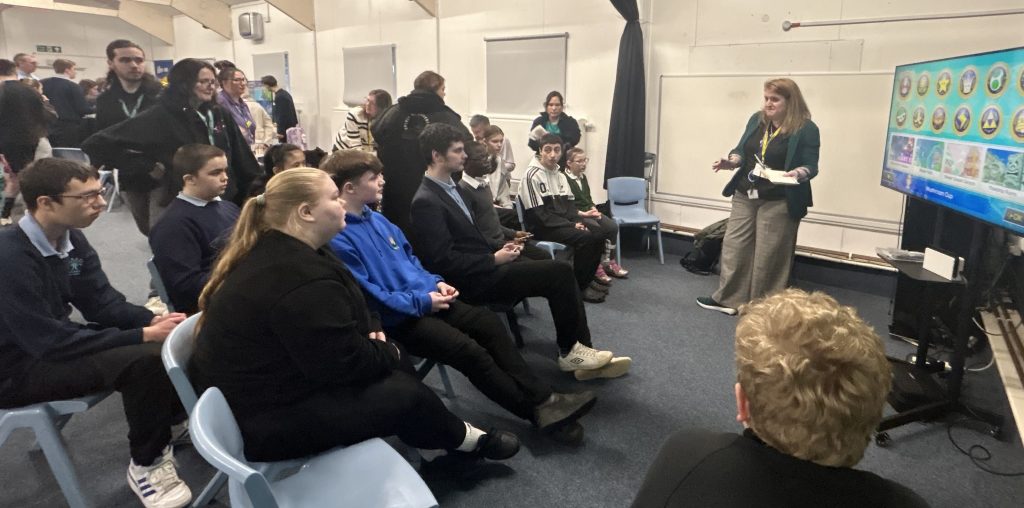
Esports differs from gaming in three key ways:
- Structure: Matches follow rules, schedules, and tournament formats.
- Teamwork: Success depends on communication and coordination, not individual skill alone.
- Roles and Responsibilities: Each team member has a defined role, similar to positions in football or rugby.
- Players: Compete in matches, practise strategies, and maintain peak performance.
- Team Captain: Leads communication, sets tactics, and motivates the group.
- Shoutcasters: Provide live commentary, introduce teams, and engage audiences—building confidence and public speaking skills.
- Analysts: Review gameplay, identify strengths and weaknesses, and suggest improvements.
- Media & Branding Leads: Create team logos, manage social media, and produce content—developing digital literacy and creativity.
“It great to be a team and know your role and see how that helps our team do better. We share responsibility analyse the opposition and takes risks”
Olivia, Year 5
This structure mirrors professional Esports and teaches pupils leadership, communication, and problem-solving, skills that go far beyond the game.

The Discovery Schools Trust Model
Our Esports programme is more than a game, it’s a structured, educational experience designed to develop essential life skills.
- Monthly Competitions: Over 80 players from 20+ teams compete every Saturday morning.
- Arena Atmosphere: We transform Keyham Lodge School hall into a buzzing Esports arena, complete with team branding and live shoutcasting.
- Creative Roles: Pupils design team logos, create gamer tags, and learn about online safety. Each team has shoutcasters who introduce players and conduct media interviews—building confidence and communication skills.
- Parent Engagement: Families are actively involved, cheering on their children and discovering the positive impact Esports can have.
“I just love being part of the team its so exciting, we don’t always win but its just so much fun work together we laugh a lot and cry together]”
George, Year 8
Skills Beyond the Screen
Esports develops a wide range of transferable skills:
- Problem-solving and analytical thinking: Players must adapt strategies in real time.
- High-level communication and teamwork: Success depends on collaboration.
- Digital literacy and media skills: Pupils learn branding, broadcasting, and content creation.
These are the very skills employers value in the modern world. By embracing Esports, we’re preparing pupils for future opportunities while fostering inclusion and belonging.

Career Pathways in Esports
Esports isn’t just a hobby, it’s a growing global industry worth billions, offering diverse career opportunities. Pupils involved in school Esports programmes gain early exposure to roles that mirror professional pathways, including:
- Professional Player: Competing at the highest level in global tournaments.
- Coach or Analyst: Developing strategies, training teams, and reviewing performance.
- Event Management: Organising tournaments, managing logistics, and creating live experiences.
- Broadcasting & Media: Shoutcasting, producing live streams, and creating content for audiences worldwide.
- Game Development & Design: Working on the creation of games, levels, and features.
- Marketing & Brand Management: Promoting teams, managing sponsorships, and building fan engagement.
- Cybersecurity & IT Support: Ensuring safe, secure, and smooth online play.
According to British Esports Association, the UK Esports industry is growing rapidly, and NASEF in the USA reports that students involved in Esports are more likely to pursue careers in STEM, media, and technology.
👉 https://britishesports.org/education/
👉 https://www.nasef.org/
“I didn’t realise the opportunities and ross sector careers esports could offer my child. I was amazed that there are university courses and well paid roles in the industry”
Secondary School Parent
By introducing Esports in schools, we’re not just creating fun competitions—we’re opening doors to future careers.

The Bigger Picture: Research & Statistics
Esports in education isn’t just a trend, it’s backed by research.
- British Esports Association reports that over 200 UK schools now run Esports programmes, improving engagement and inclusion for SEND pupils.
👉 https://britishesports.org/education/
- Create Effects Charity highlights Esports as a tool for wellbeing and social connection, reducing isolation among vulnerable learners.
👉 https://createeffects.org/
- In the USA, organisations like NASEF (North America Scholastic Esports Federation) and High School Esports League show that Esports boosts attendance, teamwork, and STEM interest.
👉 https://www.nasef.org/
👉 https://www.highschoolesportsleague.com/
Key Stats:
- NASEF reports 95% of students in Esports clubs improved teamwork skills.
- British Esports research shows SEND pupils report higher confidence and engagement in Esports compared to traditional sports.

How Schools Can Start Their Own Esports Programme
Ready to bring Esports to your school? Here’s a practical guide:
1. Define Your Goals
What do you want to achieve? Inclusion? Engagement? Digital skills? Make this clear from the start.
2. Secure Equipment
Start small- PCs or consoles, headsets, and reliable internet. Many schools begin with existing ICT resources.
3. Choose Games Wisely
Opt for age-appropriate, team-based titles like Rocket League or Minecraft Education Edition.
4. Create Roles Beyond Players
Include shoutcasters, team managers, and media creators. This ensures every pupil can contribute.
5. Focus on E-Safety
Teach pupils about online behaviour and safeguarding.
👉 https://britishesports.org/education/
6. Engage Parents
Invite them to events and share the educational benefits. Parent buy-in is key.
7. Partner with Experts
Work with organisations like:
👉 https://britishesports.org/education/
👉 https://www.nasef.org/

Why This Matters
Esports isn’t just play, it’s preparation for future careers in tech, media, and beyond. At Discovery Schools Trust, we’ve seen how it transforms inclusion, builds confidence, and connects communities.
“Esports has empower my daughter to get involved in a community where she feels safe, included and valued. I’m so happy so is part of something beyond home”
Special School Parent

If you’re a school leader looking to boost inclusion and engagement, Esports could be your next big step. Start small, think big, and watch your pupils thrive.
